


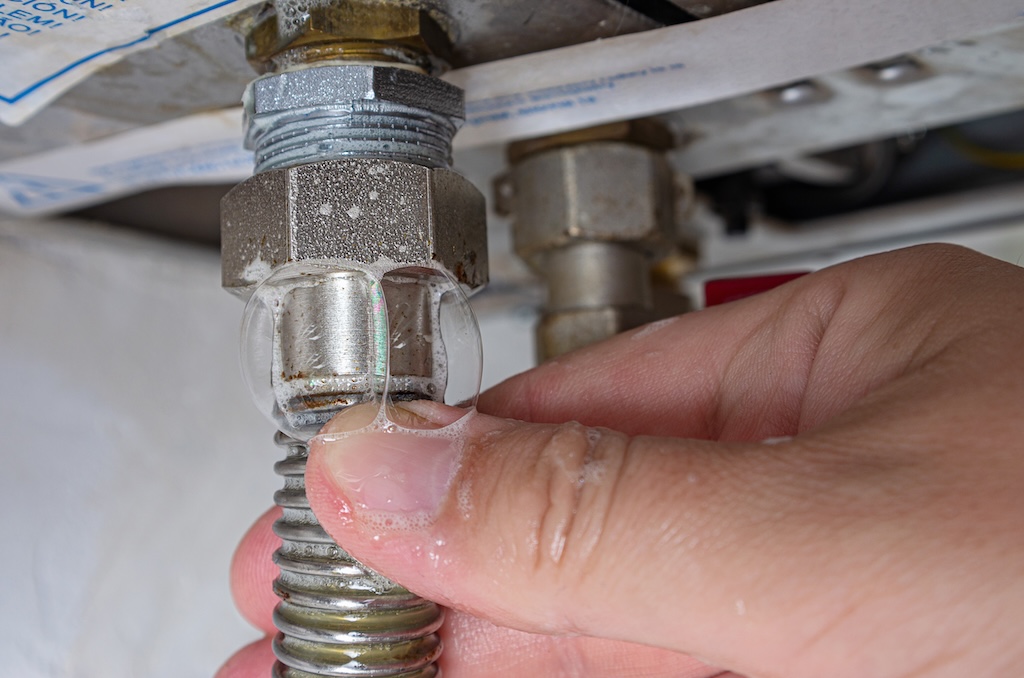
A gas leak is one of the most serious household emergencies a homeowner can face. Unlike a burst pipe or a blocked drain, the consequences of a gas leak extend well beyond property damage, the risks include fire, explosion, and carbon monoxide exposure.
The good news is that most gas leaks give warning signs before they become dangerous. Knowing what to look for, and what to do if you suspect a problem, could protect your family and your home.
How Household Gas Leaks Happen
Most Sydney homes that use natural gas have it connected to the cooking, hot water, and heating systems. Gas arrives through a network of pipes, regulators, and flexible connectors, and any of these components can develop a fault over time.
Common causes of gas leaks include:
- Ageing or corroded gas pipes: older homes in Sydney may have steel gas lines that corrode from the outside in
- Loose or failed appliance connections: flexible gas connectors behind stoves and hot water systems can crack or fail at the fittings.
- Faulty gas appliances: internal component failure in a heater, cooktop, or hot water unit
- Accidental damage: renovation work, gardening, or ground movement can disturb underground gas lines.
- Poor original installation: gas connections that weren’t properly sealed or tested at the time of installation
Warning Signs of a Gas Leak
The Smell of Sulphur or Rotten Eggs
Natural gas is odourless in its raw state. For safety purposes, gas companies add a chemical called mercaptan, which gives it the distinctive smell of rotten eggs or sulphur. If you notice this smell anywhere in or around your home, indoors or outside, treat it as a potential gas leak until proven otherwise.
The smell doesn’t have to be overwhelming to be significant. Even a faint smell that comes and goes deserves immediate attention.
A Hissing or Whistling Sound Near Gas Lines or Appliances
A hissing sound near your gas meter, along a gas pipe run, or behind a gas appliance can indicate gas escaping under pressure. This is most audible in quieter parts of the home, near the hot water system, the meter box outside, or behind the cooktop.
Dead or Discoloured Vegetation Near Gas Lines
For homes with underground gas service pipes, one of the more unusual warning signs is an unexplained patch of dead or dying grass above where the gas line runs. Gas escaping from an underground pipe displaces oxygen in the soil, starving plant roots. This is particularly relevant after recent excavation or ground movement in your yard.
Bubbling in Wet or Waterlogged Ground
After heavy rain, a gas leak from an underground pipe can sometimes be identified by bubbling or fizzing in water pooled over the leak site. This is worth reporting even if you’re not certain, it’s a relatively unusual phenomenon in a garden and worth investigating.
Visible Damage to Gas Pipes or Connections
A visual check of accessible gas components, the meter box, the connections to your hot water system, and behind the stove, is worth doing periodically. Look for:
- Rust or corrosion on visible pipe sections
- Cracked or kinked flexible connectors
- Connections that appear loose or have moved from their original position
- Scorch marks or discolouration near a gas appliance (can indicate incomplete combustion)
Physical Symptoms in Occupants
In enclosed spaces with a slow gas leak, symptoms can appear before the smell is obvious, particularly carbon monoxide exposure from incomplete gas combustion. These symptoms include:
- Headaches that improve when you leave the home
- Nausea or dizziness with no other clear cause
- Fatigue that seems unusual
- Eye and throat irritation indoors
If multiple people in the house experience these symptoms simultaneously, ventilate the home immediately and contact a gas plumber.
What to Do If You Suspect a Gas Leak
Act immediately and calmly.
1. Don’t turn any switches on or off: A single electrical spark, from a light switch, a power point, or even pressing a doorbell, can ignite gas that has accumulated in a confined space. Leave switches exactly as they are.
2. Don’t use your phone inside the property: Step outside before making any calls.
3. Open windows and doors if it’s safe to do so: Ventilating the space reduces gas concentration. Only do this if you can do it quickly without operating any switches or appliances.
4. Turn off the gas at the meter: If it’s safe to reach and you know how to do it, turning the gas off at the meter stops the supply immediately. The isolation valve is typically located at the meter box. Turn it 90 degrees so the handle sits perpendicular to the pipe to close it.
5. Leave the property: Get all occupants, including pets, out of the home. Don’t return until the property has been assessed by a licensed gas plumber or emergency services.
6. Call for help
- For an immediate emergency: 000
- To report a gas emergency to the network operator: 1800 GAS LEAK (1800 427 532), this is the Jemena emergency line for NSW and is available 24/7
- For licensed gas plumbing repairs: Contact a licensed gas plumber like ServiceFox.
What You Should Never Do
- Don’t try to find or fix the leak yourself: gas work must be carried out by a licensed gas plumber. Attempting repairs without the proper qualifications is illegal and extremely dangerous.
- Don’t use a naked flame: no lighters, matches, or candles to find the leak.
- Don’t start a car in an attached garage: the ignition system can trigger ignition.
- Don’t return to the property until it has been cleared, even if the smell seems to have dissipated.
Regular Gas System Maintenance
The best way to avoid a gas emergency is routine maintenance. A licensed gas plumber should inspect your gas appliances and connections:
- When moving into an older home
- Every 2 years for hot water systems and heating units
- Immediately after any renovation work that involves walls or floors near gas lines
- If you notice any change in how a gas appliance performs, unusual flames, slow ignition, or increased gas bills without a change in usage
In Sydney’s older housing stock, particularly pre-1970s homes in suburbs like Newtown, Balmain, Leichhardt, and Marrickville, original steel gas pipes are still in service in some properties. These benefit from a professional inspection to assess their current condition.
Frequently Asked Questions
What does a gas leak smell like? A deliberately added chemical called mercaptan gives natural gas a distinct rotten egg or sulphur smell. Even a faint trace of this smell indoors should be taken seriously.
Can a gas leak make you sick without you smelling it? Yes. Carbon monoxide produced by incomplete combustion from a faulty gas appliance is odourless. Symptoms include headaches, nausea, and dizziness. Carbon monoxide detectors are a worthwhile safety measure in homes with gas appliances.
How do I know if my gas hot water system is leaking gas? Signs include a rotten egg smell near the unit, a yellow or orange flame instead of blue, soot or scorch marks on or near the unit, and the pilot light going out repeatedly.
Is it safe to stay home with a small gas smell? No. Any gas smell should be treated as an active leak until assessed by a licensed professional. Evacuate and call for help.
How much does a gas leak repair cost in Sydney? Costs vary depending on the source and severity of the leak. A licensed gas plumber will assess the situation and provide a clear quote before undertaking any work.
Concerned About a Gas Leak? Call ServiceFox
If you’ve noticed any of the warning signs above, or if you just want peace of mind from a professional inspection of your gas system, Service Fox’s licensed gas plumbers are available across Sydney and the Central Coast.
We carry out gas leak detection, appliance connections, pipe repairs, and compliance checks, with honest assessments and fixed pricing.
If you smell gas right now, leave the building and call 000. For non-emergency gas plumbing enquiries, contact Service Fox.