


Autumn in Sydney is mild and easy to overlook from a home maintenance perspective. But the transition between seasons, from the heat of summer to the cooler, wetter months ahead, is one of the best times of year to check in on your plumbing.
Winter puts extra demand on your hot water system, increases the risk of blocked drains, and turns any small plumbing issue into a much more inconvenient one. A simple seasonal check now can save you from an emergency call-out when temperatures drop, and a tradesperson is harder to reach.
Here’s what to work through before winter sets in.
1. Service Your Hot Water System
Your hot water system is about to enter its busiest period of the year. Longer, hotter showers, heating bathrooms, and more demand in general all ramp up through winter, and that’s when an ageing or poorly maintained system is most likely to fail.
What to check:
- Age of the system: Most hot water systems have a lifespan of 8–12 years. If yours is approaching or past that range, have it inspected. A failure in the middle of winter is more inconvenient and often more costly to repair than a planned replacement.
- Temperature and pressure relief valve: This safety valve should be tested annually. Lift the lever briefly to ensure it releases water freely, then check that it reseats properly. If it drips continuously after testing, it needs replacing.
- Signs of rust or corrosion: Rust-coloured water from your hot tap, or visible corrosion around the tank base, are signs the tank’s internal lining may be failing.
- Pilot light (gas systems): A yellow or flickering pilot light on a gas hot water system can indicate a combustion issue and should be checked by a licensed gas plumber.
If your system is showing any of these signs, it’s worth getting a professional assessment before winter.
2. Check All Taps for Drips and Leaks
A dripping tap is easy to ignore until you consider that a single tap dripping once per second wastes around 30 litres of water per day. Over a Sydney winter with increased indoor water use, small drips compound quickly.
Walk through every tap in your kitchen, bathrooms, laundry, and outdoor taps, check for:
- Visible dripping when fully closed
- Difficulty turning the tap off completely
- Moisture or staining under sink cabinets (sign of a slow leak at the connection points)
Outdoor taps are particularly prone to washer wear from seasonal changes. If an outdoor tap has been running a garden hose or irrigation system all summer, it’s worth replacing the washer before it fails.
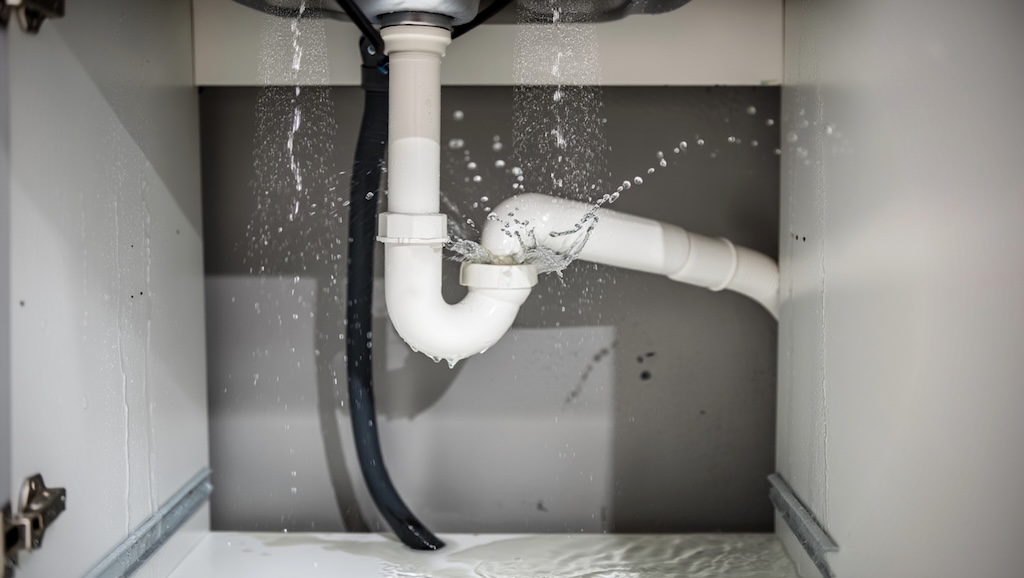
3. Inspect Under-Sink Areas
Open the cabinet doors under every sink in your home and take a look. You’re checking for:
- Damp patches or water stains on the cabinet floor or walls
- Soft or discoloured timber (sign of slow, long-term leakage)
- Rust around pipe connections or the trap
- Flexible hoses — if these look swollen, cracked, or are more than 10 years old, they’re a significant flood risk and should be replaced
Flexible braided hoses are one of the most common causes of unexpected indoor flooding in Australian homes. They’re inexpensive to replace, and a licensed plumber can do the job quickly.
4. Test Your Toilet for Hidden Leaks
A toilet that runs continuously between flushes wastes a significant amount of water and often does so silently, making it easy to miss.
The dye test:
- Add a few drops of food colouring to the cistern
- Wait 10 minutes without flushing
- If colour appears in the bowl, water is leaking past the flush valve seal
This is a straightforward fix, usually a worn flapper valve, but it’s one of those issues that’s easy to ignore and costly to your water bill over a full winter.
Also check that the toilet is flushing cleanly and that the cistern is refilling properly. A slow-filling or noisy cistern can indicate an inlet valve that’s beginning to fail.
5. Clear and Check Your Drains
Autumn is the time when leaves, debris, and the residue of a busy summer start to accumulate in drain lines. Slow drains going into winter are slow drains that will fully block when you can least afford it.
What to do:
- Run water through all drains and note any that are slower than usual
- Check your outdoor drainage areas for leaves or debris around grates
- If your shower or basin drain is slow, try a drain cover cleaner or a plumber’s hand snake; avoid harsh chemical cleaners
- Consider a professional drain inspection if multiple drains are slow, or if you’ve had blockage issues in the past
For homes in Sydney suburbs with mature trees, particularly in the Inner West, root intrusion into drain lines is a common autumn problem worth checking before it becomes an emergency.
6. Look for Any Signs of Pipe Damage From Summer
The summer heat expansion and contraction cycle can stress pipes, particularly older copper or clay lines. Look for:
- Damp patches on walls or ceilings that weren’t there before summer
- New cracks in plaster near pipes (can indicate movement)
- Unusually high water bills over summer (can signal a slow leak)
If your water meter reading seems higher than expected, you can do a simple leak check: turn off all taps and appliances, then note your meter reading. Check again after two hours with no water use. If the reading has changed, there’s likely a leak somewhere in the system.
7. Ensure Outdoor Areas Are Winter-Ready
Sydney winters are mild compared to much of Australia, but cold overnight temperatures and increased rainfall still put stress on outdoor plumbing.
- Check garden taps for leaks and replace worn washers
- Clear debris from gutter downpipes before the winter rain season
- Check that any exposed outdoor pipework is in good condition
Frequently Asked Questions
How often should I service my hot water system? A professional service every 2–5 years is generally recommended, depending on the type of system. Annual checks of the pressure relief valve are something homeowners can do themselves.
Is autumn a good time to book a plumber? Yes, autumn and early spring are typically less busy periods for emergency plumbing than winter. Booking maintenance work now means faster scheduling and avoidance of peak-season pricing.
What’s the most important thing on this checklist? If your hot water system is older than 10 years and hasn’t been recently serviced, that should be your first call. A winter failure of a hot water system is both inconvenient and expensive.
Do I need a plumber to replace a tap washer? In most states of Australia, plumbing work, including tap repairs, must be carried out by a licensed plumber. DIY tap work can void insurance and cause further damage.
Book Your Pre-Winter Plumbing Check With Service Fox
Rather than waiting for something to go wrong in the middle of winter, let the Service Fox team work through your home’s plumbing with a professional pre-season inspection.
We service homes across Sydney and the Central Coast, with honest advice, fixed pricing, and no unnecessary upselling.
Contact Service Fox to book your autumn plumbing check today.