


Sydney storms can be brutal. Heavy rain, strong winds, and hail can cause significant damage to your roof, and in many cases, that damage isn’t immediately obvious from inside your home. By the time you notice a water stain on your ceiling or a drip during the next downpour, the problem has often been brewing for weeks.
Knowing what to look for after a storm can help you catch issues early, protect your home, and avoid a much larger repair bill down the track.
Why Post-Storm Roof Checks Matter
Sydney’s east coast weather puts roofs under real pressure. Summer storms regularly bring wind gusts above 90km/h, hail, and intense rainfall across the city and Central Coast. Even a roof in good condition can sustain damage from a single severe event.
The risk isn’t just structural. A compromised roof allows water to enter your home’s ceiling cavity, which can lead to:
- Mould and mildew growth
- Damage to insulation
- Ceiling plaster deterioration
- Electrical hazards if water reaches wiring
- Structural weakening of timber frame elements
Acting quickly after a storm gives you the best chance of catching damage before it compounds.
Step 1: Start From the Ground — Don’t Go Up on the Roof
Before anything else, stay safe. Wet roofs are extremely slippery, and the structural integrity of the roof may have been compromised by the storm itself. An unstable or damaged roof section can give way without warning.
Instead, start your inspection from the ground using binoculars or your phone’s zoom camera. Walk around the full perimeter of your home and look for:
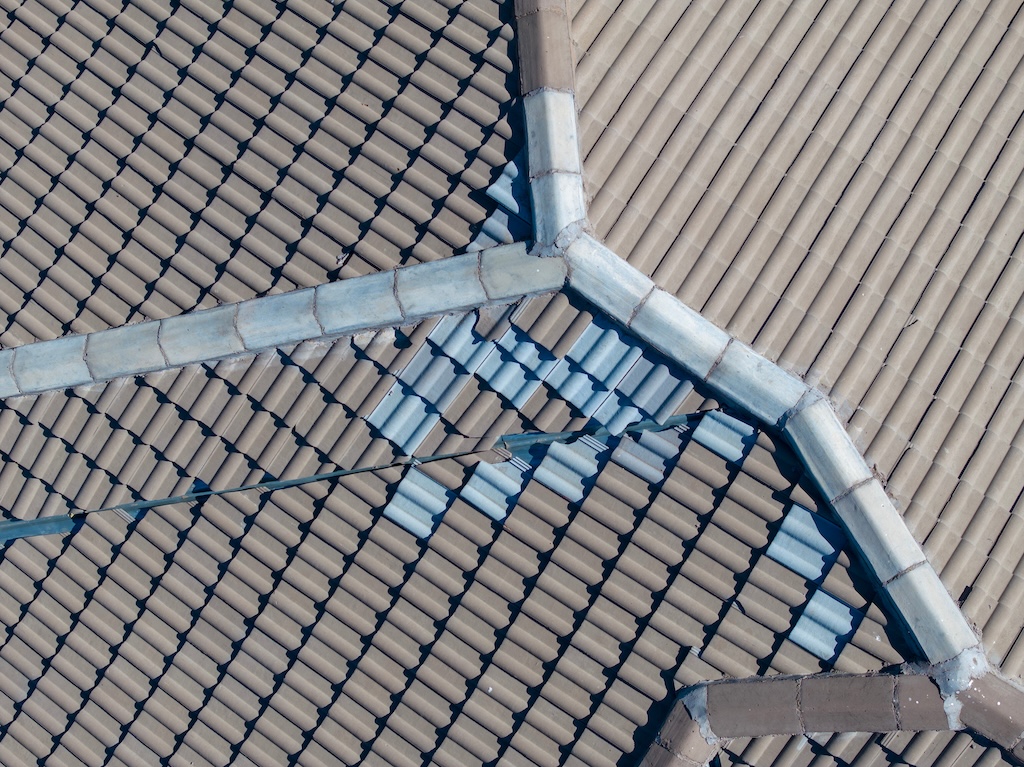
- Missing or displaced tiles — terracotta or concrete tiles that have shifted, cracked, or fallen off entirely
- Damaged ridge capping — the cement line running along the peak of the roof, which is one of the first areas to deteriorate
- Bent or lifted metal roofing — on Colorbond or corrugated iron roofs, look for sections that appear buckled or lifted at the edges
- Debris accumulation — branches, leaves, and other debris sitting against flashings or in valleys can trap water and accelerate damage
- Damaged or sagging gutters — gutters that have pulled away from the fascia or are visibly bent
Step 2: Check Inside Your Home for Water Intrusion
Move inside and check your ceiling, walls, and roof cavity where accessible.
In your ceiling:
- Look for new water stains — yellow or brown rings on plasterboard are a clear sign of water entry
- Check for any sagging or bubbling in the ceiling surface
- Note any musty smells in upper rooms, which can indicate moisture in the roof space
In your roof cavity (if safely accessible from a manhole):
- Look for daylight showing through; any visible light means there’s a gap
- Check for wet insulation, which holds moisture and can promote mould
- Look for damp timber or signs of rust on metal fixings
Step 3: Inspect Flashings and Valleys
Flashings are the metal strips that seal joins between your roof and other elements: chimneys, skylights, vents, and walls. They’re among the most common entry points for water after a storm.
From the ground, check that flashings appear flat and intact. Any visible lifting, gaps, or rust warrants a closer professional inspection.
Roof valleys, the channels where two roof slopes meet, also collect significant water during heavy rain. If debris has built up in a valley, water can back up and penetrate the roof surface even without direct damage.
Step 4: Look at Your Downpipes and Drainage
After a storm, it’s worth checking your downpipes for blockages or damage. Signs of a problem include:
- Water overflowing from gutters during light rain after the storm has passed
- Downpipes that have separated at the joints
- Pooling water near the base of downpipes
Blocked downpipes force water to sit in gutters longer than intended. Over time and especially during another storm, this overflow can work its way under the roofline.
When to Call a Roofing Professional
Some storm damage is easy to spot. Other damage, particularly to flashings, ridge capping, and underlays, is difficult to assess without getting on the roof safely and knowing what to look for.
Contact a licensed roofing specialist if you notice:
- Any sign of water entry inside your home
- Visible missing or broken tiles
- Gutters or fascias that have pulled away from the roofline
- Damage you can’t clearly assess from the ground
A professional inspection after a significant storm is always worth the cost. It gives you a clear picture of what needs repair, helps you prioritise work, and provides documentation if you need to make an insurance claim.
Documenting Damage for Insurance
If you suspect your roof has sustained storm damage, document it before any repairs begin.
- Take photos and short videos from the ground and any areas safely accessible
- Note the date and severity of the storm
- Keep any receipts for emergency temporary repairs such as tarping
- Contact your insurer before authorising any major repair work
Most home insurance policies cover storm damage, but insurers typically require evidence that the damage was caused by the weather event rather than pre-existing deterioration.
Frequently Asked Questions
How soon after a storm should I check my roof? As soon as it’s safe to do so once wind and rain have passed. The sooner you identify damage, the sooner it can be addressed before a second storm event causes further harm.
Can I do a roof inspection myself? A ground-level visual check is something every homeowner can do safely. However, getting on the roof should be left to licensed professionals. It’s genuinely dangerous, particularly after rain.
What’s the most commonly damaged part of a roof after a Sydney storm? Ridge capping is the most frequently reported post-storm issue in Sydney. It’s held in place with a mortar bed that hardens and cracks with age, and heavy wind can dislodge sections completely.
Does my home insurance cover storm roof damage? In most cases, yes, provided the damage was caused by the storm and not pre-existing wear. Always check your policy and contact your insurer before committing to repairs.
Book a Post-Storm Roof Inspection With ServiceFox
If your roof has taken a hit from a recent Sydney storm, don’t wait for the next rainfall to confirm it. The Service Fox roofing team provides thorough, professional roof inspections across Sydney.
We’ll give you an honest assessment of what needs attention and a clear, fixed-price quote – no surprises.